Basement waterproofing insights every first-time homeowner should read
Essential Truths About Basement Waterproofing: Safeguard Your Investment
Basement waterproofing is an important facet of building upkeep that several home owners overlook. It acts as a safety obstacle versus water invasion, which can lead to significant architectural damage and wellness worries. Recognizing the usual sources of water issues and identifying the indicators that indicate a need for waterproofing can conserve property owners from pricey repair work. The approaches readily available for waterproofing vary, however the selection in between DIY and expert remedies can be critical. What aspects should homeowners think about when making this choice?
Recognizing the Importance of Basement Waterproofing
Numerous property owners may ignore the value of basement waterproofing, it plays an important role in preserving a risk-free and healthy and balanced living environment. A completely dry basement is essential for overall home stability, as moisture can cause architectural damage, mold and mildew growth, and pest invasions. These concerns not just endanger the security of the home however can additionally negatively influence the health and wellness of its passengers.
Efficient waterproofing measures protect important belongings and improve the building's resale value, making it a smart investment for any type of house owner. In addition, a properly waterproofed cellar can boost useful space, permitting for extra leisure or storage space locations. By understanding the relevance of basement waterproofing, house owners can take positive steps to ensure their living atmosphere remains secure, healthy, and important. Overlooking this significant facet of home upkeep might bring about costly repair work and health concerns in the future, underscoring the need for understanding and activity
Common Sources Of Water Intrusion
Water breach in basement can commonly be traced back to several typical issues. Poor water drainage systems, broken foundation walls, and groundwater pressure build-up are considerable factors to this problem. Recognizing these causes is important for effective waterproofing services.
Poor Water Drainage Equipments
Inadequate drainage systems posture a significant danger for water invasion in basement. These systems are developed to carry water far from a home's foundation but can fail due to numerous elements. Stopped up rain gutters can prevent proper water circulation, causing overflow and merging around the foundation. Similarly, downspouts that are too brief might discharge water too close to your house, aggravating wetness concerns. In addition, incorrect grading of the landscape can route rainwater towards the foundation as opposed to away from it. With time, these drain failings can cause substantial water build-up in basement, resulting in mold and mildew development, architectural damages, and pricey fixings. Preserving an effective drain system is important for securing the integrity of a home's basement.
Broken Foundation Walls
Poor drainage systems can intensify the problem of fractured foundation walls, which are a typical cause of water intrusion in basement. These fractures can create due to a selection of factors, consisting of soil settlement, expansive clay dirts, and freeze-thaw cycles. As the dirt around the foundation changes or expands, it puts in stress on the walls, causing cracks. Additionally, inappropriate grading or landscaping can route water toward the foundation, boosting the probability of fracturing. Once fractures create, they produce paths for water to leak in, jeopardizing the stability of the basement. Addressing the underlying root causes of fractured walls is important for reliable waterproofing and long-term protection of the home. Timely repair services and normal examinations can alleviate these dangers significantly.
Groundwater Pressure Build-up
When hefty rains happens or snow thaws swiftly, groundwater stress can develop around a home's foundation, resulting in significant water breach issues in basement. This pressure develops from the saturation of dirt, which can overwhelm water drainage systems and develop hydrostatic stress. Poor drain systems, such as insufficient downspouts or clogged gutters, worsen the circumstance by directing water towards the foundation instead of far from it. Additionally, the sort of soil-- particularly clay-- can preserve water, additional adding to stress accumulation. With time, this relentless pressure can result in leakages, mold and mildew growth, and architectural damage. Attending to these issues quickly with proper drainage services and waterproofing techniques is crucial for maintaining a protected and completely dry basement.
Signs Your Basement Demands Waterproofing
How can homeowners determine if their cellar calls for waterproofing? Indications of dampness or water breach are main signs. Homeowners ought to search for wet areas on floorings, ceilings, or wall surfaces, which might show leaks. Stuffy smells typically suggest mold and mildew or mold growth, which thrives in wet atmospheres. Furthermore, peeling off paint or wallpaper can be an indication of water damage. Cracks in the foundation or walls are also telltale indicators that moisture is passing through the cellar. Homeowners may discover raised moisture levels in the basement, which can result in pain and health and wellness issues. Standing water or pools after hefty rainfalls serves as a strong warning. Finally, if the basement is regularly cool or has condensation on windows, it may signify a hidden dampness trouble. Acknowledging these signs early can aid protect against more comprehensive damages and shield the integrity of the home.
Efficient Waterproofing Techniques
Effective waterproofing techniques are essential for keeping a risk-free and completely dry cellar. This discussion will explore both indoor waterproofing strategies, which resolve moisture problems from within the home, and exterior drain options, created to stop water from entering the cellar. Understanding these methods can assist house owners make informed decisions concerning their waterproofing needs.
Interior Waterproofing Techniques
While lots of homeowners concentrate on outside services, indoor waterproofing techniques play an important duty in avoiding water damages - basement waterproofing. These techniques consist of the application of sealers to wall surfaces and floorings, which create a barrier against moisture seepage. Another efficient method is the setup of a sump pump, which aids manage any kind of water build-up within the basement. Additionally, indoor water drainage systems can redirect water far from at risk locations, ensuring that it does not swimming pool. In addition, utilizing dehumidifiers can assist regulate humidity degrees, decreasing the threat of mold growth. By carrying out these indoor measures, homeowners can significantly boost their basement's resistance to water, consequently shielding their financial investment and maintaining a secure living setting
Outside Drainage Solutions
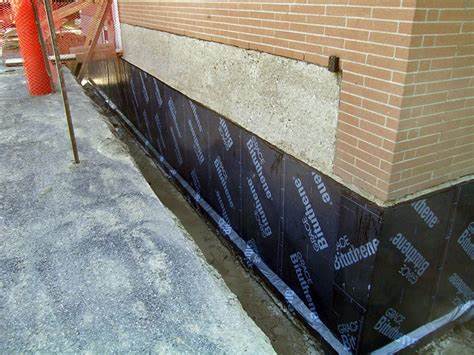
Exterior drainage solutions are essential for protecting basement from water breach. These approaches efficiently manage surface area and subsurface water, decreasing the risk of flooding and architectural damages. A typical technique involves installing rain gutters and downspouts that guide rainwater away from the foundation. French drains pipes are another reliable option, including a trench loaded with crushed rock and a perforated pipe that gathers and reroutes groundwater. Additionally, rating the landscape away from the home warranties that water flows away from the foundation. Water resistant membrane layers can likewise be put on exterior wall surfaces to supply an additional layer of defense. Carrying out these outside drainage solutions assists preserve a dry cellar and secures building financial investments from potential water-related problems.
DIY vs. Expert Waterproofing Solutions
When taking into consideration basement waterproofing, property owners usually consider the benefits of DIY solutions against those offered by specialists. Do it yourself approaches can be appealing due to reduce expenses and the satisfaction of completing a job individually. Easy jobs, such as applying sealers or mounting interior drainage systems, can be workable for useful home owners. Nonetheless, these options may lack the know-how and extensive approaches that specialists give.
On the other hand, working with a professional waterproofing contractor ensures a detailed assessment of the cellar's one-of-a-kind problems. Specialists bring experience and specialized devices, which can lead to extra long-lasting and reliable outcomes. They can likewise recognize underlying problems that property owners might neglect. Ultimately, the decision in between do it yourself and professional waterproofing relies on private skill levels, job intricacy, and spending plan considerations. Home owners should carefully review their options to secure their financial investment efficiently.
Long-Term Advantages of Waterproofing Your Basement
Purchasing cellar waterproofing offers countless long-term benefits that expand past immediate dampness control. One significant advantage is the improvement of property worth; a dry, well-maintained cellar is an appealing attribute for prospective purchasers, offering assurance pertaining to architectural integrity. In addition, waterproofing helps protect against mold and mildew growth, which can bring about health problems and costly removal initiatives.
A waterproof cellar can serve as functional living room, permitting home owners to increase their homes without the expense of brand-new construction. This added square footage can be changed into an entertainment location, home workplace, or storage area, making the residential or commercial property a lot more practical and delightful.

Maintenance Tips for a Dry Basement
To ensure a completely dry cellar, routine upkeep is crucial, as ignoring this room can cause wetness problems over time. House owners ought to start by evaluating the foundation for splits and securing them quickly to stop water seepage. Making sure gutters and downspouts direct water away from the foundation is important; they need to be cleaned regularly to prevent obstructions. Preserving a proper grading around your home will certainly likewise help divert rainwater. In addition, inspecting the sump pump and validating it runs properly can prevent flooding throughout hefty rainfalls. Mounting a dehumidifier can better minimize humidity levels, lessening the risk of mold development. Performing occasional assessments for pipes leakages or condensation will certainly assist identify issues prior to they intensify. By sticking to these upkeep ideas, property owners can assure their basement continue to be dry, shielding their financial investment and boosting the longevity of the home.
Frequently Asked Concerns
Just How Much Does Basement Waterproofing Normally Price?
Basement waterproofing normally sets you back in between $1,500 to $5,000, depending upon elements such as the home's size, the kind of waterproofing approach utilized, and the degree of water damage. Professional analyses can give even more precise estimates.
Can I Waterproof My Basement During Winter months?
Yes, basement waterproofing can be executed during winter months. Variables such as temperature and dampness degrees have to be taken into consideration, as chilly weather can influence the products and techniques made use supporting information of in the waterproofing procedure.
Just How Lengthy Does Waterproofing Last Prior To Requiring Reapplication?
Waterproofing typically lasts between 5 to one decade, depending upon the materials utilized, ecological problems, and maintenance - basement waterproofing. Normal evaluations are recommended to figure out if reapplication is required for best defense against moisture intrusion
Exist Any Health Threats Linked With Basement Wetness?
Yes, cellar wetness can posture health risks, consisting of mold and mildew growth, increased irritants, and respiratory concerns. Long term exposure may result in severe conditions, emphasizing the value of attending to wetness problems promptly to safeguard health and wellness.
What Allows Are Needed for Basement Waterproofing Tasks?
Usually, basement waterproofing tasks may require authorizations associated with architectural modifications, pipes, or drain job. It is important for house owners to get in touch with neighborhood structure authorities to assure compliance with all laws prior to beginning any kind of job.
Basement waterproofing is a crucial facet of home upkeep that numerous house owners forget. Many property owners might underestimate the importance of basement waterproofing, it plays a vital function in preserving a healthy and safe living atmosphere. By understanding the importance of cellar waterproofing, homeowners can take aggressive steps to guarantee their living atmosphere stays risk-free, healthy, and beneficial. When thinking about basement waterproofing, home owners frequently weigh the benefits of DIY services against those used by specialists. Basement waterproofing generally sets you back in between $1,500 to $5,000, depending on factors such as the home's dimension, the type of waterproofing technique made use of, and the level of water damages.